

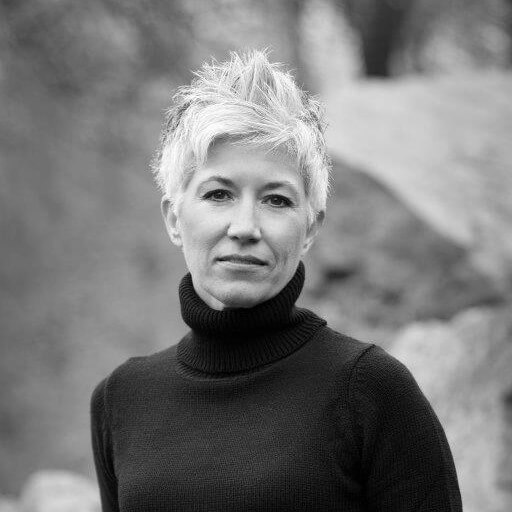
Jane Ward is the author of Hunger (Forge 2001), The Mosaic Artist (2011), and In the Aftermath (She Writes Press 2021). After graduating from Simmons College, she worked in the food and hospitality industry; later, she became a contributing writer to an online food magazine and a blogger and occasional host of cooking videos for an internet recipe resource affiliated with several regional newspapers. Most recently she has contributed book reviews to Story Circle and Mom Egg Review. She loves to travel, and to document her trips through travel photography. Jane lives in Ipswich, Massachusetts.
about SHOULD HAVE TOLD YOU SOONER
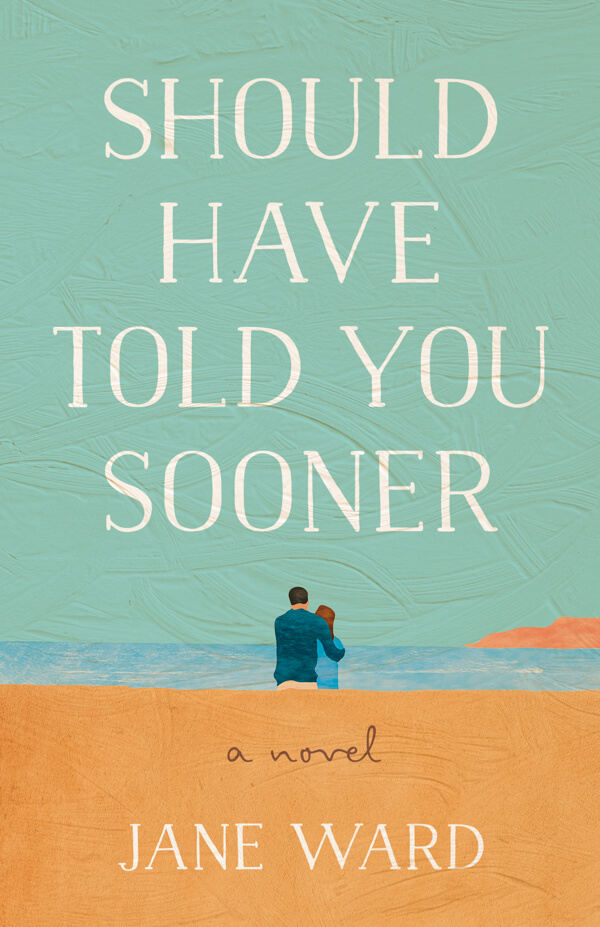
When Noel Enfield is offered a secondment at a museum in London, it’s a chance for her career aspirations to finally come to fruition—but also leads to the opening of some old wounds—in this story of art, love lost, and second chances, perfect for fans of David Nicholls and Claire Lombardo.
While studying art history at a London university, Noel Enfield falls passionately in love with aspiring artist and art school student Bryn Jones. Shortly after Bryn leaves for a five-month painting trip through Italy, Noel discovers she is pregnant. She is ecstatic and believes Bryn will be too—they have plans to marry, after all. But mishaps part the two lovers, and a desperate Noel makes a split-second choice to move forward in a way that will change not only her life but also the lives of everyone she loves.
Three decades later, when she is offered a six-month secondment to a London museum, Noel decides it’s time to prove she really has moved on from that difficult period by returning to the city where she met and lost Bryn. But rather than proving she has persevered, the move lands Noel in the thick of London’s insular art world, with only one or two degrees of separation from her past and the people she once loved. After she reconnects with an old, dear friend and learns finally what kept Bryn from returning to her all those years ago, the very underpinnings of her life are rocked to their core. Some decisions made in the past can never be put behind her, she realizes, and armed with this new understanding, she sets out on a journey to reclaim what—and who—she left behind.
about IN THE AFTERMATH

When David Herron—overwhelmed and despairing, his family’s business and finances in ruin due to the bursting lending bubble of 2008—takes his own life one chilly spring morning, he has no idea the ripple effect his decision will set into motion.
Two years later, his widow, Jules, is now an employee of the bakery she and David used to own—and still full of bitterness over David’s lies, perceived cowardice, and ultimate abandonment of her and their now-teenage daughter, Rennie. Rennie, meanwhile, struggles socially at school, resents her work-obsessed mother, and is convinced she’s to blame for her father’s death.
When Denise, the former police detective who worked (and, due to her own personal struggles at the time, mishandled) David’s case, catches sight of Rennie at her sons’ school, she’s struck by the girl’s halo of sadness—and becomes obsessed with attempting to right the wrongs she believes she perpetrated two years ago.
And as all this unfolds in Boston, Daniel, the guilt-ridden young man who, in his old life as a banker, helped create the circumstances that led to David’s suicide, continues to punish himself for his sins by living half a life, working odd jobs and bouncing from one US city to another, never staying long enough to make friends or build something lasting.
Ultimately, each of these very different people—all of them tied together by one tragic event—must learn in their own way how to say good-bye to the past and move into a brighter future.